Our history
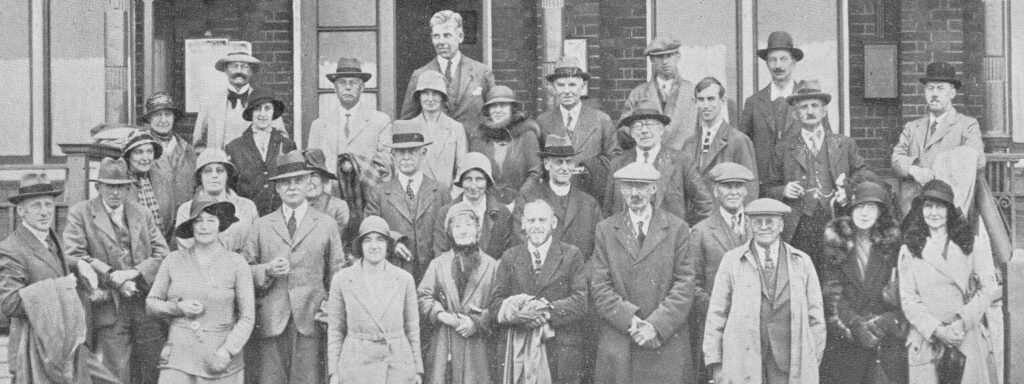
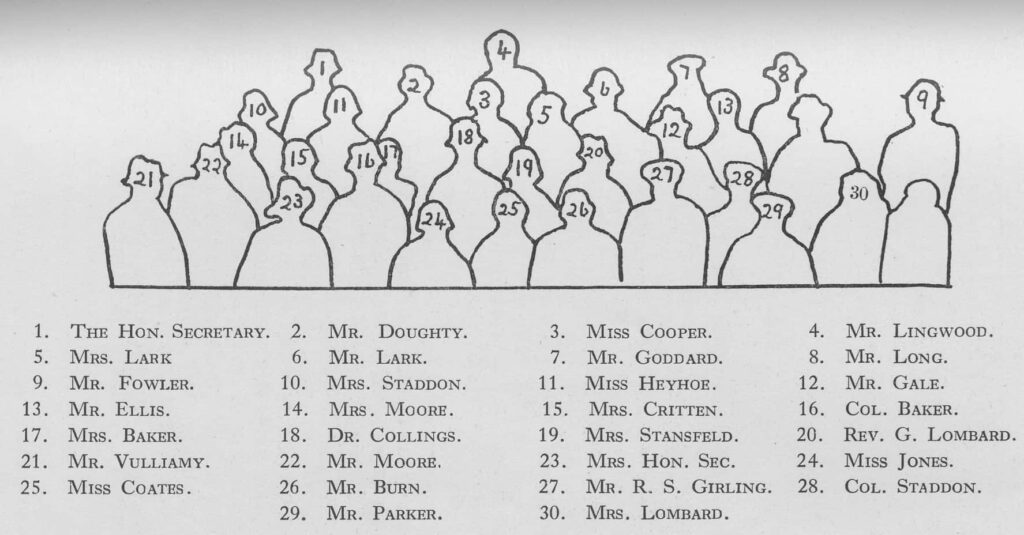
The Suffolk Naturalists’ Society was founded in 1929 by a small group of avid naturalists, including Claude Morley (1874 -1951), Canon A.P. Waller, Rev Henry Waller, and Wallace Morfey. It pioneered the study and recording of the County’s flora, fauna and geology. It is the seedbed from which other important wildlife organisations in Suffolk, such as Suffolk Wildlife Trust (SWT) and Suffolk Bird Group (SBG), grew. The Suffolk Naturalists’ Trust (later the Suffolk Wildlife Trust) was initially set up to purchase and protect Redgrave and Lopham Fen
Recording Suffolk’s natural history remains the Society’s primary objective. Members’ observations go to specialist recorders and then to the Suffolk Biodiversity Information Service at The Hold, providing a basis for detailed distribution maps and subsequent analysis. The Society’s activities have always been based on a spirit of scientific enquiry, and the SNS is careful to maintain its amateur and scientific basis.
How SNS helps wildlife conservation:
Members’ records and studies are published, used by and archived in the Suffolk Biodiversity Information Service. SBIS uses the records to produce distribution maps which help us to monitor the status of animals and plants in Suffolk. The information is made available to local authorities, Natural England and the Suffolk Wildlife Trust; it is essential for making decisions about conservation in Suffolk, for example compiling Biodiversity Action Plans.
Funds held by the Society allow it to offer substantial grants for wildlife studies (find out more on our Grants page)
How SNS helps protect the environment:
The Society promotes debate on environmental issues at meetings and the biennial conference, where national and local experts often give thought-provoking presentations. Species distribution records can inform climate change studies, highlight pollution events, and advise planners. Monitoring the occurrence and spread of introduced species to Suffolk will become increasingly important as the climate warms.
How you can get involved:
Join us, whether you’re a complete beginner who would like to learn about wildlife from experts or an expert who would like to interact with others and put their contribution to good use.
As defined by the Constitution of this Society, its objects shall be:
2.1 To study and record the fauna, flora and geology of the County
2.2 To publish a Transactions and Proceedings and a Bird Report. These shall be free to members except those whose annual subscriptions are in arrears
2.3 To liaise with other natural history societies and conservation bodies in the County
2.4 To promote interest in natural history and the activities of the Society.
We are Registered Charity number 206084 with the UK Charity Commission. You can find out more about us by entering our number on their website: Charity Commission
For more details about the Suffolk Naturalists’ Society write to:
Hon. Secretary, Suffolk Naturalists’ Society, The Hold, 131 Fore Street, IPSWICH, IP4 1LN or send an email to: admin@sns.org.uk