
Case studies
Applicant: two individuals
Amount: £215
Purpose: travel and equipment
Match funding: No
Aim of study: To determine how Orthoptera (grasshoppers and crickets) and bumblebees (Bombus spp.) respond to rewilding in two former arable fields. The two study sites, Arger Fen & Spouse’s Vale and Black Bourn Valley, are both SWT reserves comprising several hundred hectares of former arable land.
Outcomes of the study: Rewilding is an evolving topic in conservation, and several projects are underway in Suffolk. However, few studies have examined impacts on invertebrates. This project has practical value, providing information to identify the habitat features that grasshoppers, crickets, and bumblebees require in former arable fields at various stages of natural reversion.
Applicant: Landguard Conservation Trust
Amount: £450 over three years
Purpose: purchase of a SIM card for a phone, electricity
Match funding: Wageningen University, Netherlands, personal donation
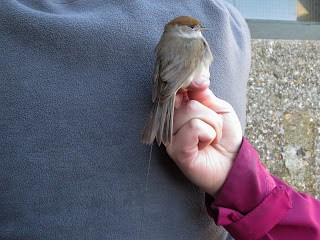
Aim of study: a) research into the migration of Nathusius’s bat from the continent through Suffolk using Dutch nanotags. b) research into the changing migration pattern of the Yellow-browed warbler across Europe and Africa through Suffolk using nanotags.
Outcomes of the study: an opportunity to collaborate with European and North African colleagues to detect bats and birds migrating through Suffolk using automated telemetry. Suffolk is at the forefront of this new technology, reporting early pioneering results in The Times, on social media, and online across Europe and the USA.
Applicant: Suffolk Wildlife Trust
Amount: £460
Purpose: accessories for hazel dormouse footprint tunnel survey packs, laminated survey guidance
Match funding: None
Aim of study: prove the effectiveness of footprint tunnels as a survey method for detecting dormice and provide new records which will expand knowledge of dormouse distribution in Suffolk.
Outcomes of the study: non-licenced volunteers will be able to undertake valuable dormouse surveys. The project will help to promote interest in surveying and recording hazel dormice. Increased knowledge of dormouse distribution in Suffolk.
Applicant: Individual
Amount: £300
Purpose: travel, collecting equipment
Match funding: None
Aim of study: to study the distribution of freshwater Mollusca, particularly the genus Pisidium (Pea Mussels), in a network of ponds in the parish of Great Glemham to determine the effects of microhabitat variations on the composition of the Molluscan fauna present.
Outcomes of the study: identify unifying habitat features to classify sites; assess the impact of the wider environment on pond fauna; assess freshwater Mollusca as indicators of habitat quality and ecosystem health.
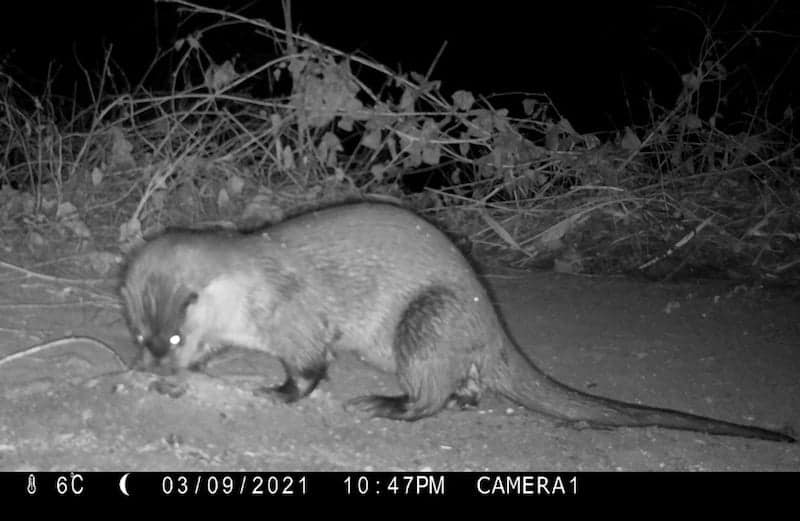
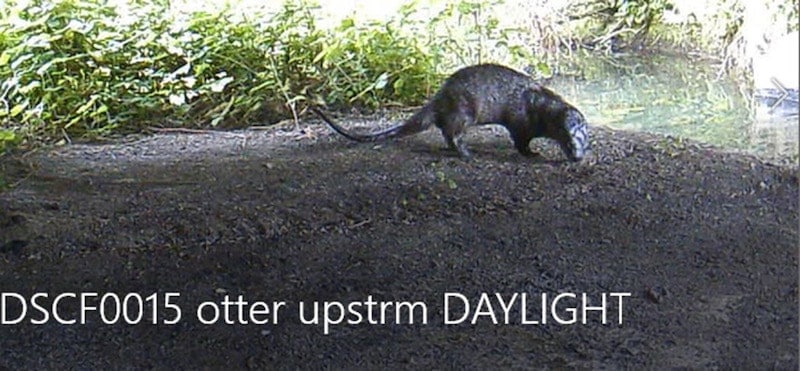
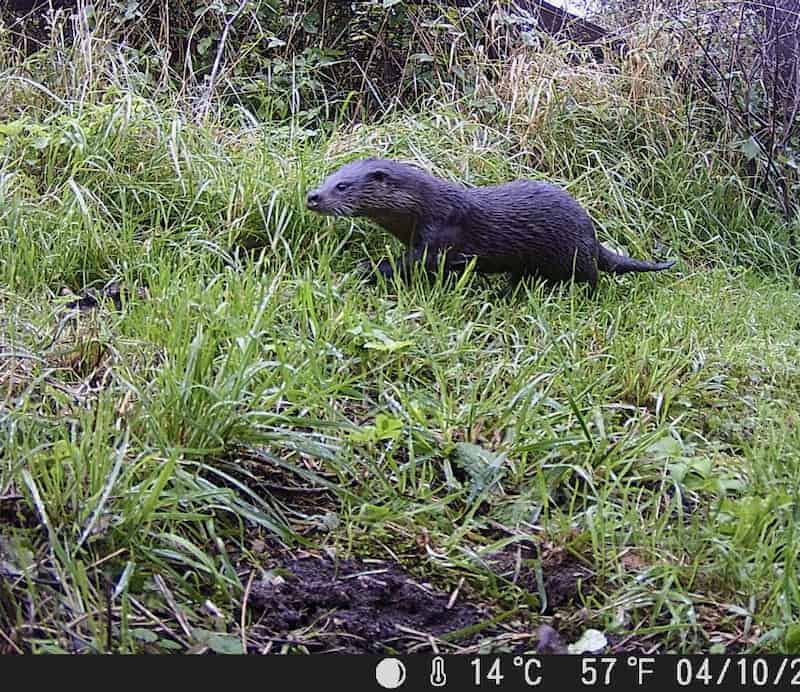
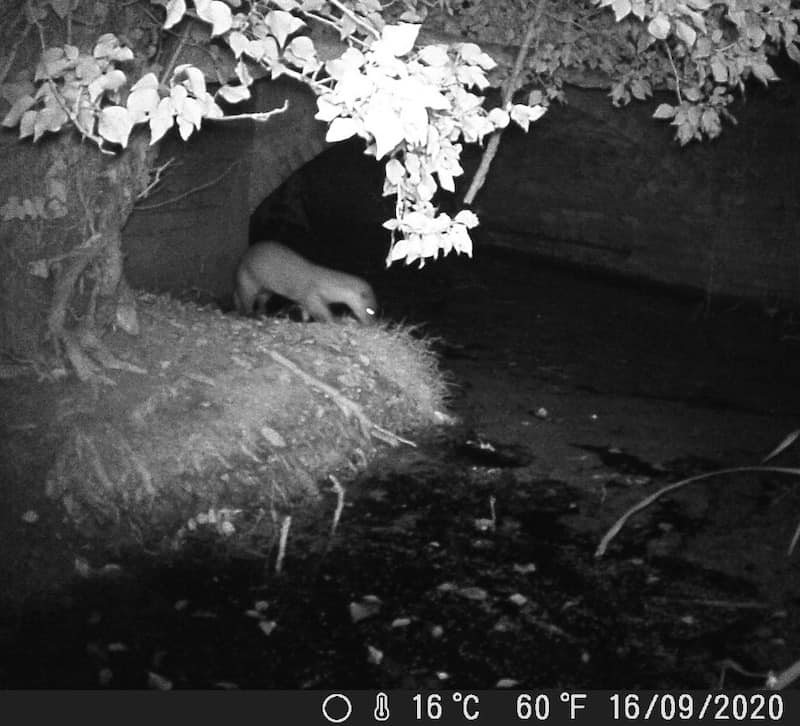
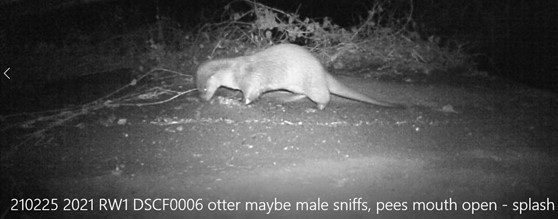
Applicant: River Blyth Otter Group
Amount: £708
Purpose: equipment and travel expenses for volunteers
Match funding: River Blyth Otter Group, volunteer hours
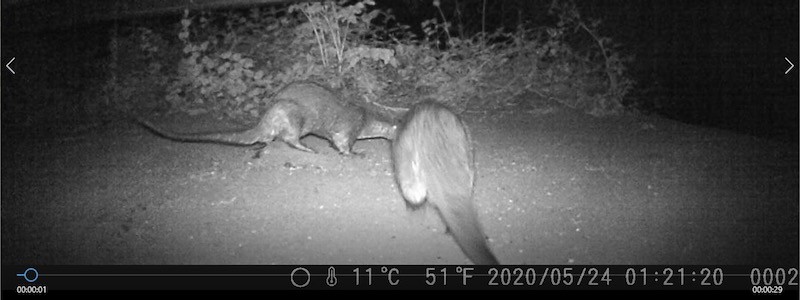
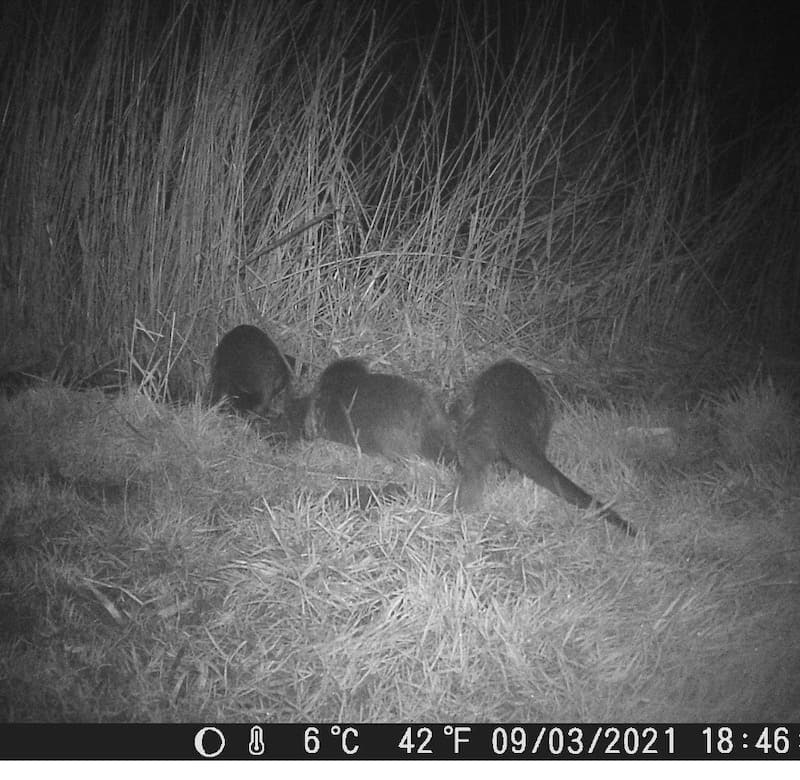
Aim of study: to assess otter distribution and family dynamics in the River Blyth catchment.
Outcomes of the study: Otters are believed to have large territories on Suffolk’s lowland rivers. Volunteers using trail cameras will enable the group to assess how far individuals travel and whether the same animals use the upper reaches and the estuary over a year.
Applicant: Suffolk Bat Group (SBG)
Amount: £1000
Purpose: purchase of specialist bat surveying equipment
Match funding: Aviva Community Fund, Essex & Suffolk Water Branch Out Fund, Suffolk Bat Group, Suffolk Biodiversity Project Fund
Aim of study: extend SBG’s ability to survey woodlands, water bodies, and wetlands; conduct long-term monitoring of bat populations; and identify areas for future conservation (e.g. bat box projects) using harp traps.
Outcomes of the study: The Group will contribute to national bat surveying projects as well as local surveys, improving our knowledge and understanding of bat species. Members of the public will learn about bats and their lives by seeing them up close.
Applicant: Individual
Amount: £410
Purpose: travel and subsistence costs for research trip to Alberta and British Columbia, Canada
Match funding: Botanical Research Fund, Percy Sladen Memorial Fund
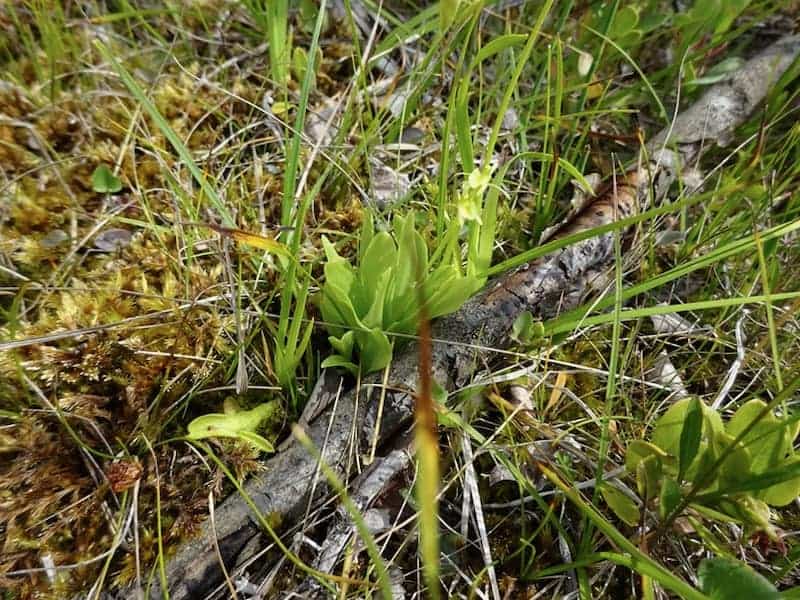
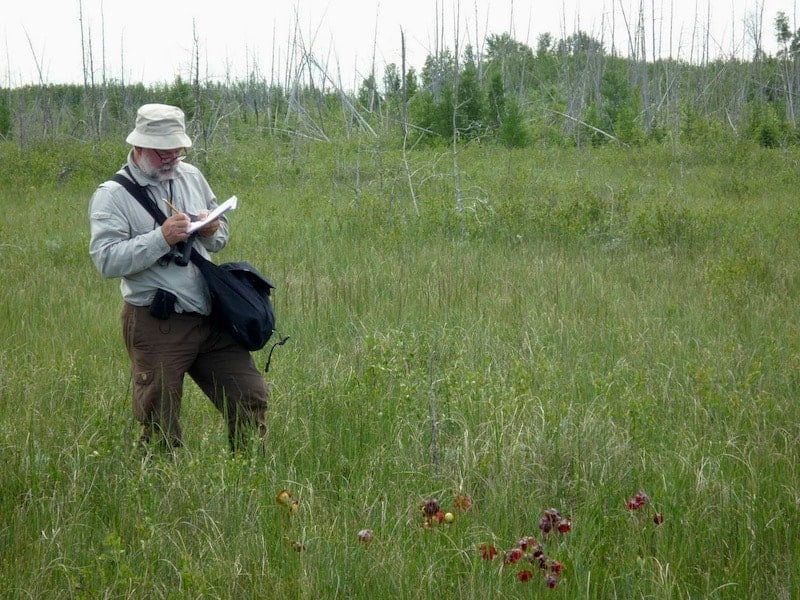
Aim of study: To fill in gaps in understanding of the natural ecology of fen orchid Liparis loeselii to: a) facilitate the preparation of a comprehensive account of its ecology in the UK, b) inform management of fen orchid sites, c) underpin work to reintroduce fen orchid to Suffolk fens
Outcomes of the study: provide evidence for the England conservation strategy for fen orchid under Natural England’s Species Recovery Programme. This includes data about the conditions with which fen orchids have evolved to cope and will inform site managers dealing with reintroductions. New understanding of the dispersal processes that underpin natural fen orchid population dynamics.
Page image: Toad © RyanPlumridge